Your Ballot,Made Clear.
Two questions. One bond. About $4.16 a month on a $200,000 home if both pass. Here’s what’s actually on the page, and where every number comes from.
The whole bond, on one screen
Two questions. One $615M decision.
The full $615M bond — every project on both lists is funded.
Sample Ballot · USD 259
Rebuild what we have.
District-wide infrastructure, safety upgrades, school rebuilds, and a new Trades Future Ready Center — funded by continuing the existing mill levy.
No change to your tax rate.
Reimagine what’s next.
Campus repurposings, expanded career-and-technical programs at four high schools, two more rebuilds, and additional preservation.
≈ $4.16 / month on a $200K home.
Question 2 is denied automatically — nothing on either list moves forward.
Sample Ballot · USD 259
Rebuild what we have.
District-wide infrastructure, safety upgrades, school rebuilds, and a new Trades Future Ready Center — funded by continuing the existing mill levy.
No change to your tax rate.
Reimagine what’s next.
Campus repurposings, expanded career-and-technical programs at four high schools, two more rebuilds, and additional preservation.
≈ $4.16 / month on a $200K home.
But that’s not all
If they both pass,every USD 259 school sees an improvement.
When the full bond passes, it pays for the big rebuilds, campus repurposings, K-8 conversions, and infrastructure work at specific buildings. That frees up district operating funds — the dollars that would have gone to those repairs — to flow into every other USD 259 school. Classroom upgrades, equipment, day-to-day fixes. No campus is left out.
school.YES on Q1 + Q2 → targeted rebuilds + freed operating funds → improvements across all of USD 259.
The key thing to know
If Question 1 fails, Question 2 is automatically denied — no matter how it's voted.
That’s the rule USD 259 wrote into the ballot. Q1 can pass on its own; Q2 cannot. To unlock the full $615M bond — every project on both lists — both questions have to pass.
Can I vote for this?
Is this on your ballot?
The bond is decided by voters inside USD 259 — not all of Sedgwick County. Check your address on the map in seconds.
What it costs you
The honest math, with the receipts.
Two numbers will be on your ballot. $615 million is the bond’s total. About $4.16 a month is the share that lands on a $200,000 home if both questions pass — the district’s own estimate.
We won’t pretend that’s nothing. Fifty dollars a year is a real decision in a lot of Wichita households, and we respect that.
What we’ll show you is exactly what the money builds, where every dollar lands, and the fact that the same community that built the schools we learned in made the same choice. That’s the case. You make the call.
Question 2 monthly impact
This shows ONLY the Question 2 addition to your property tax. Q2 is paid over 20 years. Question 1 doesn’t change your rate — it continues the school levy you already pay.
This calculator shows only what the bond questions change: the tax rate. County reassessment can raise your home’s appraised value in any year, and your bill can rise with it — bond or no bond. Question 1 holds the bond tax rate steady; Question 2 adds the amount above. Neither question changes your valuation.
- $200,000 × 11.5% = $23,000 (assessed value)
- $23,000 × 2.17 mills ÷ 1,000 = $49.92 / year
- $49.92 ÷ 12 months = $4.16 / month
What it means: Kansas only taxes part of your home’s value — 11.5% of it, called the assessed value. One “mill” is $1 of tax per $1,000 of that assessed value. Question 2 adds about 2.17 mills, which we backed out from the district’s anchor ($4.16 per month on a $200,000 home). The bond is repaid over 20 years.
USD 259 bond levies aren’t covered by the statewide $75,000 residential homestead exemption (K.S.A. 79-201x), so this math holds at every home value.
Source: Sedgwick County Property Taxes 101. Q1 alone: no rate change. Q2 alone: cannot pass on its own (see below). Both pass: Q1 stays the same, Q2 adds the small monthly amount shown here.
Question 1, in detail
$407.1M of foundation work.
The bond’s larger half. District-wide infrastructure, safety upgrades, school rebuilds, and the new Trades FutureReady Center. Funded by continuing the existing school mill levy. A vote of YES keeps your tax rate exactly where it is today.
| Project | Amount |
|---|---|
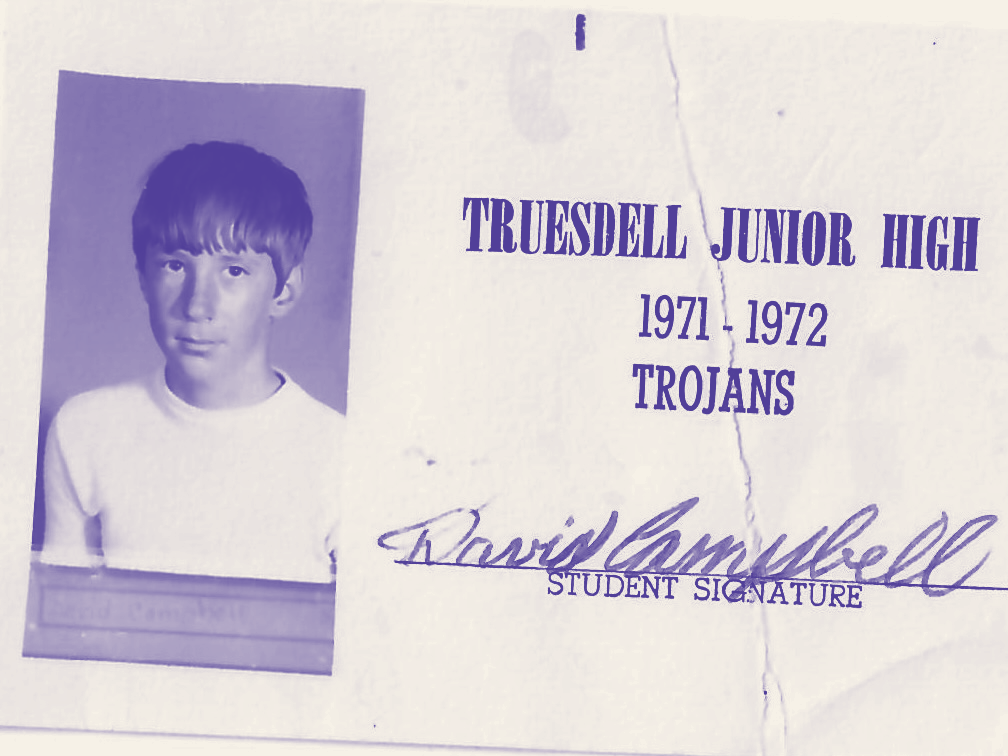
| Truesdell Middle School (rebuild) | $103.9M |
| Chisholm Trail Elementary (K–8 rebuild) | $81.3M |
| Cessna Elementary (add middle-school wing, K–8) | $45.3M |
| Black Elementary (rebuild) | $44.2M |
| McLean Elementary (rebuild) | $44.2M |
| Trades FutureReady Center (new) | $28.2M |
| North High School preservation | $20M |
| East High School preservation | $20M |
| HVAC in PE + other learning spaces | $15M |
| Traffic flow improvements (select schools) | $5M |
| Subtotal | $407.1M |
Source: USD 259 Bond 2026 site (wpsbond.usd259.org)
Question 2, in detail
$207.9M of forward work.
The bond’s strategic half. Career-and-technical education at four high schools, two more rebuilds, an early childhood center, and a campus realignment. Funded by a small mill-levy increase — about $50/year ($4.16/month) on a $200,000 home.
| Project | Amount |
|---|---|
| Coleman Middle School (rebuild) | $106M |
| Adams Elementary School (rebuild) | $42M |
| Heights HS — CTE spaces + secondary auditorium | $11.3M |
| Horace Mann → Hadley + Irving → Horace Mann (campus realignment) | $11M |
| West HS — CTE spaces + parking | $9.2M |
| OK Elementary → Early Childhood Center (renovation) | $9M |
| South HS — CTE spaces | $8.4M |
| Northwest HS — CTE spaces | $7M |
| Preservation at four 50–70-year-old high schools | $4M |
| Subtotal | $207.9M |
Source: USD 259 Bond 2026 site (wpsbond.usd259.org)

Why us, why now
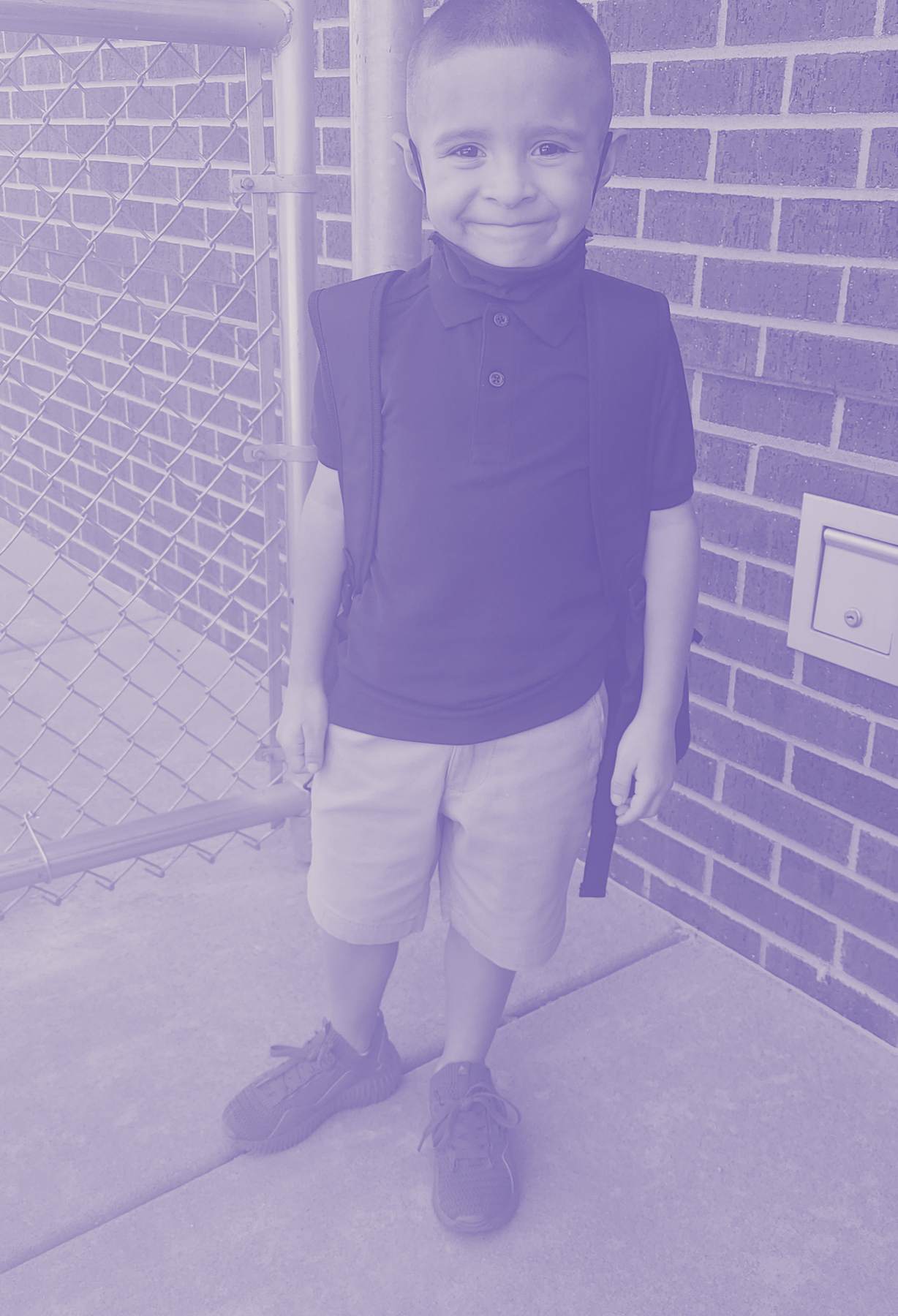
The schools that taught uswere built by peoplepaying a similar share.
Wichita has been here before. The buildings that taught the last generation didn’t show up by themselves — they were paid for by neighbors who voted yes. They now stand as the schools we send our kids to today.
This is the same vote, in a different year.
Verify every number
Sources, in full.
Every dollar, project, and percentage on this page links back to a USD 259 source. If you’re checking our math (please do), here’s where we got it.
- USD 259 Bond 2026 sitewpsbond.usd259.org
- Sedgwick County · Property Tax 101 (the formula our calculator uses)sedgwickcounty.org
- Sedgwick County · Mill Levy and Property Taxes (PDF)sedgwickcounty.org
- Kansas Department of Revenue · Homeowner’s Guide to Property Taxksrevenue.gov
- Kansas residential school levy exemption (K.S.A. 79-201x) — applies only to the statewide 20-mill levy, NOT local bond leviesksrevenue.gov
- USD 259 Board recommendation (June 1, 2026 meeting)usd259.org
- Sedgwick County election calendarsedgwickcounty.org
Ready to make itofficial?

Subscribe to the campaign
I’m in for Wichita kids.
- Campaign updates
- Ways to get involved
- A reminder when it’s time to vote
No spam — just the bond and the ballot.
We’ll never share your email. Unsubscribe any time.